More Info
|
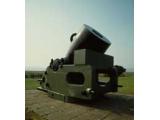
Fort George - Inverness
Following the 1746 defeat at Culloden of Bonnie Prince Charlie, George II created the ultimate defence against further Jacobite unrest. The result, Fort George, is the mightiest artillery fortification in Britain, if not Europe. Its garrison buildings, artillery defences bristling with cannon, and superb collection of arms –...
|
|
More Info
|
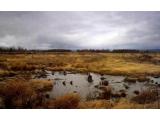
Culloden Battlefield - Inverness
The exciting new Culloden Battlefield visitor centre and exhibition opened in December 2007. Through recent archaeological and historical research the National Trust for Scotland discovered that the previous centre was sited on the third Government line of the battlefield. With the Trust's resolve to return the battlefield to as close as we know...
|
|

More Info
|
WDCS Dolphin and Seal Centre - North Kessock
With lots of exciting things to do, the centre is a great place to visit. • Watch out for dolphins from our viewing window • Enjoy spectacular views across the Firth • Follow the Dolphin Trail and look out for seals, bottlenose dolphins, harbour porpoise and lots of other...
|
|
More Info
|
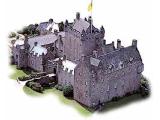
Cawdor Castle
Cawdor. A magical name, romantically linked by Shakespeare with Macbeth. A superb fairy-tale Castle, and just what every visitor is looking for ... Scottish history that you can touch and see and sense for yourself. Cawdor Castle is not another cold monument, but a splendid house and the home of the Cawdor family to this day. Cawdor Castle...
|
|
More Info
|
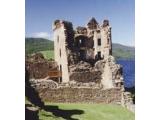
Urquhart Castle
The magnificently situated Urquhart Castle, on the banks of Loch Ness, remains an impressive stronghold despite its ruinous state. Once one of Scotland’s largest castles, Urquhart’s remains include a tower house that commands splendid views of the famous loch and Great Glen. Urquhart witnessed considerable conflict throughout its...
|
|

More Info
|
Nessieland
Nessieland Castle Monster Centre Inside Nessie's Castle see the exciting displays of Nessie going about her daily tasks and follow her as she heads off on various adventures round the world. Let the kids run around and enjoy themselves in the spectacular Nessieland Activity and Adventure playground.
|
|
|
|
More Info
|
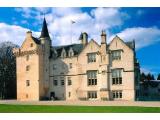
Brodie Castle
This imposing castle stands in rich Morayshire parkland. Dating from the 16th century, Brodie has unusual plaster ceilings, a major art collection and tells the fascinating story of the Brodie family. There is a woodland walk with a large pond and a nature trail with access to wildlife observation hides. In springtime the grounds are carpeted...
|
|
More Info
|
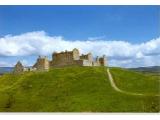
Ruthven Barracks
An infantry barracks erected in 1719 following the Jacobite rising of 1715, with two ranges of quarters and a stable block. Captured and burnt by Prince Charles Edward Stuart’s army in 1746.
|
|
More Info
|
Highland Folk Museum
The Highland Folk Museum brings to life the domestic and working conditions of earlier Highland peoples. Visitors to this living history Museum can learn how our Scottish Highland ancestors lived, how they built their homes, how they tilled the soil and how they dressed, in a friendly and welcoming environment. An award winning visitor attraction,...
|
|

More Info
|
Elgin Museum
Historic Moray Elgin Museum is run by The Moray Society and is Moray's oldest independent museum. It has a spectacular new exhibition, People & Place featuring a thousand years of Scottish history with a Moray prospective. The fossils exhibits and Pictish stones are internationally renowned. From among the museum's 36,000 items there is a...
|
|
More Info
|
Moray Motor Museum
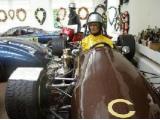
Based in the centre of Elgin (the capital of Morayshire, close to the Cooper Park), Moray Motor Museum is housed in a light and airy old mill building, part of which dates back to the era of the Cathedral when the Bishops of Moray ruled Moravia, and was used by them as a grain mill. The Moray Motor Museum houses a superb collection of veteran,...
|
|
This section covers the history of buildings such as castles and stately homes in the Inverness Region, these historic buildings usually date back hundreds even thousands of years and are real educational experiences for the whole family. Topics covered include the middle ages, political and royalty evolution spanning time and history.
Or just a great day out at lush tree lined grounds and flowered gardens and take in the sights of wonderful buildings and castles. Tours of these buildings are widely available and worth consideration for an in depth knowledge of the sites you wish to visit. Some sites like stately homes have gardens, animals and lots of other things to see and do.
We provide information on castles and stately homes by county, city or by activity. Please use the home page map for county level castles and stately homes browsing.